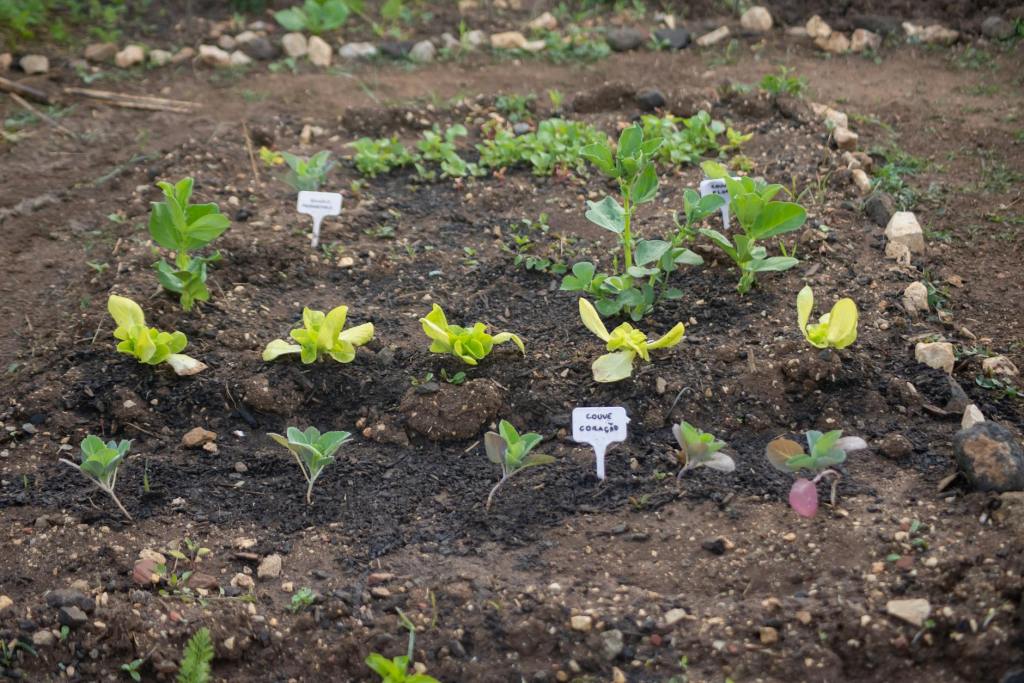
One of my favorite things about gardening is how everything in nature is interconnected. Plants, just like people, thrive in community. Some plants support each other’s growth, while others don’t get along so well. That’s where companion planting comes in – a natural, time-tested way to create a thriving, resilient garden.
What is Companion Planting?
Companion planting is the practice of growing certain plants together to enhance growth, deter pests, and improve yields. Some plants help by repelling harmful insects, others provide shade or structural support, and some even enrich the soil. It’s all about creating a balanced ecosystem right in your own garden.
Benefits of Companion Planting
- Natural Pest Control – Certain plants repel pests naturally. Marigolds, for example, deter nematodes and aphids, while basil keeps mosquitoes and flies away.
- Improved Soil Health – Legumes like peas and beans add nitrogen to the soil, which benefits heavy-feeding plants like tomatoes and corn.
- Better Yields – When plants support each other’s growth, they produce more. For instance, the classic “Three Sisters” method: corn, beans, and squash, creates a system where corn provides support for beans, beans fix nitrogen in the soil, and squash shades the ground to reduce weeds and retain moisture.
- Efficient Use of Space – By pairing plants with different growth habits, like tall sunflowers with low-growing lettuce, you maximize every inch of your garden.
Best Companion Planting Combinations
- Tomatoes & Basil – Not only do they taste amazing together, but basil repels tomato hornworms and enhances tomato growth.
- Carrots & Onions – Onions deter carrot flies, while carrots help aerate the soil for onions.
- Cabbage & Dill – Dill attracts beneficial insects that prey on cabbage worms.
- Lettuce & Radishes – Radishes help break up the soil for lettuce roots, and they can also deter pests that munch on lettuce leaves.
- Strawberries & Thyme – Thyme repels worms that can damage strawberry plants.
Plants That Don’t Get Along
Just like people, some plants simply don’t make great neighbors. Here are a few combinations to avoid:
- Tomatoes & Potatoes – Both are prone to the same diseases, so keeping them apart reduces the risk of spreading blight.
- Beans & Onions – Onions can stunt the growth of beans.
- Cabbage & Strawberries – These compete for nutrients and don’t thrive together.
How to Plan Your Companion Garden
- Start with a Garden Map – Sketch out where you’ll place each plant based on their beneficial pairings.
- Rotate Crops Each Year – This helps prevent soil depletion and reduces the chance of pests overwintering.
- Mix Flowers & Herbs – Not only do they look beautiful, but flowers like nasturtiums attract pollinators while herbs deter pests.
- Observe & Adjust – Every garden is unique, so pay attention to what works best in your space and tweak your pairings over time.
Companion planting is such a simple yet powerful way to grow a more abundant, naturally resilient garden. It’s a method that works with nature rather than against it, and I love seeing how these natural partnerships make such a difference in my own garden. Have you tried companion planting? I’d love to hear what’s worked for you!
 The Gentle Harvest
Leave a comment