
In today’s world, many of us are becoming more conscious of the materials we use daily, especially in the kitchen. Plastic has long been a convenient option, but it often comes with health concerns and environmental downsides. Transitioning to wood, stainless steel, and glass is a great way to create a safer, more sustainable kitchen while reducing exposure to harmful chemicals.
Why Make the Switch?
1. Reducing Exposure to Toxins
Many plastics contain harmful chemicals like BPA, phthalates, and microplastics that can leach into food, especially when heated. Glass, stainless steel, and wood are naturally non-toxic alternatives that help protect your health.
2. More Sustainable & Eco-Friendly
Unlike plastic, which takes hundreds of years to decompose, wood, glass, and stainless steel are much more sustainable options. They last longer, can often be recycled, and reduce overall waste.
3. Improved Durability & Longevity
Plastic items tend to wear out quickly, stain, or absorb odors over time. Glass, stainless steel, and wood offer long-lasting durability and a timeless aesthetic that can withstand daily use without degrading.
Simple Swaps to Get Started
Transitioning to a plastic-free kitchen doesn’t have to happen overnight. Here are some easy swaps to make the process manageable:
- Food Storage: Replace plastic containers with glass storage jars or stainless steel containers for a safer way to store leftovers and dry goods.
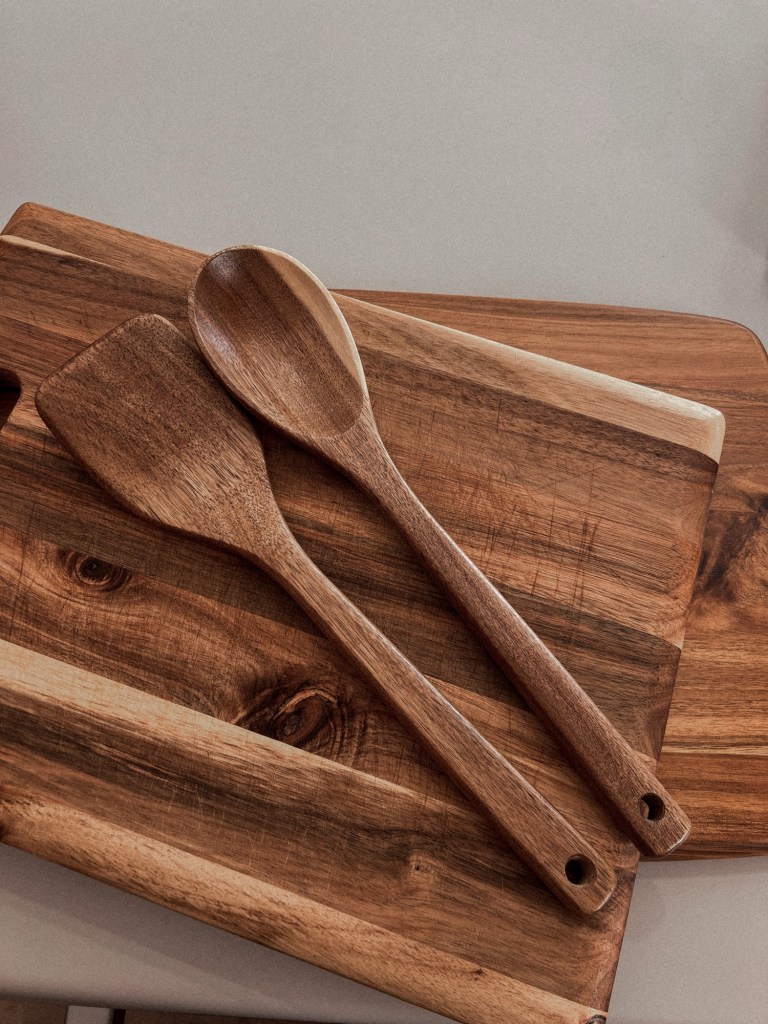
- Cooking Utensils: Swap out plastic spatulas, spoons, and cutting boards for wooden or bamboo utensils and wood cutting boards that are sturdy and naturally antimicrobial.
- Drinkware: Instead of plastic cups, opt for glass mason jars, ceramic mugs, or stainless steel tumblers for hot and cold beverages.
- Mixing & Prep Bowls: Stainless steel or glass mixing bowls are great alternatives to plastic bowls and will last for years.
- Food Wraps & Bags: Ditch plastic wrap and zip-top bags in favor of beeswax wraps, silicone storage bags, and cotton produce bags for a more eco-friendly option.
Caring for Your Natural Materials
- Wood: To maintain wooden utensils and cutting boards, regularly oil them with food-grade mineral oil or beeswax to prevent drying and cracking.
- Glass: While glass is durable, it can break, so handle it with care and avoid extreme temperature changes.
- Stainless Steel: Wash stainless steel with mild soap and water to prevent scratches and maintain its sleek look.
Final Thoughts
Making the switch from plastic to wood, stainless steel, and glass is an investment in your health and the environment. Start with small swaps and gradually transition your kitchen essentials over time. Not only will your kitchen feel more natural and inviting, but you’ll also contribute to a healthier home and planet.
Shop Some of My Favorite Non-Toxic Kitchen Swaps
- Glass Storage Jars – Perfect for pantry organization and meal prep.
- Stainless Steel Mixing Bowls – Durable, easy to clean, and great for baking.
- Wooden Cooking Utensils – A sustainable alternative to plastic spatulas and spoons
- Ball Mason Jar Wooden Lids – Great to pair with a mason jar to store pantry essentials
 The Gentle Harvest
Leave a comment