Gardening is a rewarding and fulfilling way to connect with nature, but success in the garden often depends on knowing your local growing conditions. One of the most important factors to consider is your gardening zone. Understanding your zone helps you choose plants that will thrive in your climate, ensuring a more productive and resilient garden.
What is a Gardening Zone?
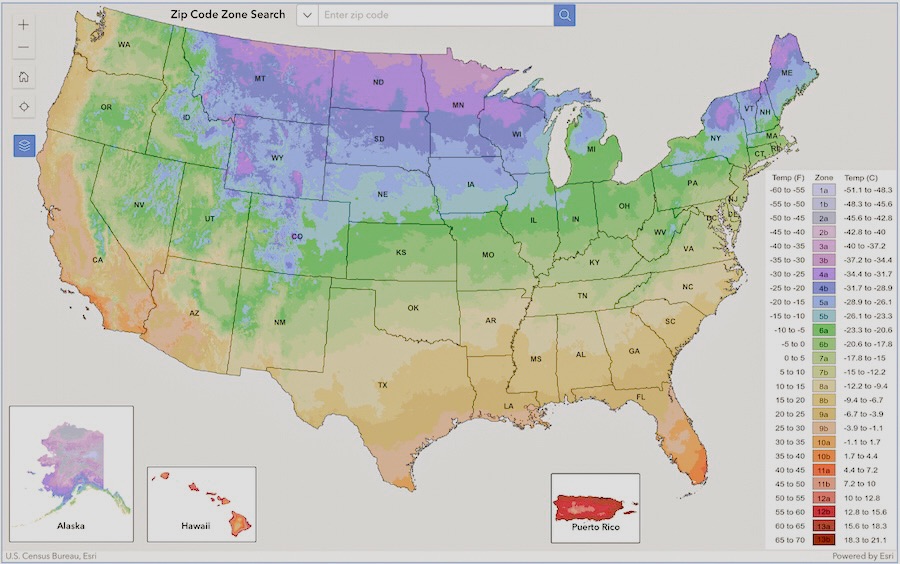
Gardening zones, also known as hardiness zones, are based on the average annual minimum winter temperature in a specific region. In the U.S., these zones are defined by the USDA Plant Hardiness Zone Map, which divides the country into different climate zones based on temperature extremes. Knowing your zone helps you determine which plants can survive the winter and thrive in your area.
Why is Knowing Your Gardening Zone Important?
1. Helps You Choose the Right Plants
Certain plants are better suited for specific climates. By knowing your zone, you can select flowers, fruits, vegetables, and perennials that are most likely to flourish in your area, reducing the risk of plant loss due to unsuitable conditions.
2. Extends Your Growing Season
Understanding your zone allows you to plan your planting schedule effectively. You’ll know when to start seeds indoors, when to transplant, and when to expect your first and last frost dates, which will help you maximize your harvest.
3. Saves Time, Effort, and Money
Planting outside of your zone can lead to failed crops and wasted resources. Instead of struggling to keep unsuitable plants alive, you can focus on growing varieties that are naturally adapted to your climate, leading to better success with less effort.
4. Helps with Overwintering Plants
Some plants require special care to survive colder months. By knowing your zone, you can prepare for winter by mulching, bringing plants indoors, or choosing hardy perennials that can withstand local temperature drops.
5. Encourages Sustainable Gardening
When you plant according to your zone, you’re working with nature rather than against it. This leads to healthier plants, reduced need for chemical interventions, and a more balanced garden ecosystem.
How to Find Your Gardening Zone
Finding your zone is easy! You can:
- Visit the USDA Plant Hardiness Zone Map online and enter your zip code.
- Check with local gardening centers or agricultural extensions for regional planting guides.
- Observe what grows well in your area by learning from other local gardeners.
Final Thoughts
Knowing your gardening zone is a simple yet powerful tool for creating a thriving garden. Whether you’re a beginner or an experienced gardener, understanding your zone will help you make informed decisions about plant selection, timing, and care. By working with your climate instead of against it, you’ll enjoy a healthier, more bountiful garden season after season.
Have you checked your gardening zone? Let me know what you’re growing in your area in the comments below!
 The Gentle Harvest
Leave a comment